
Reverse Sneezing in Dogs: Causes, Cures, and When to Call the Vet
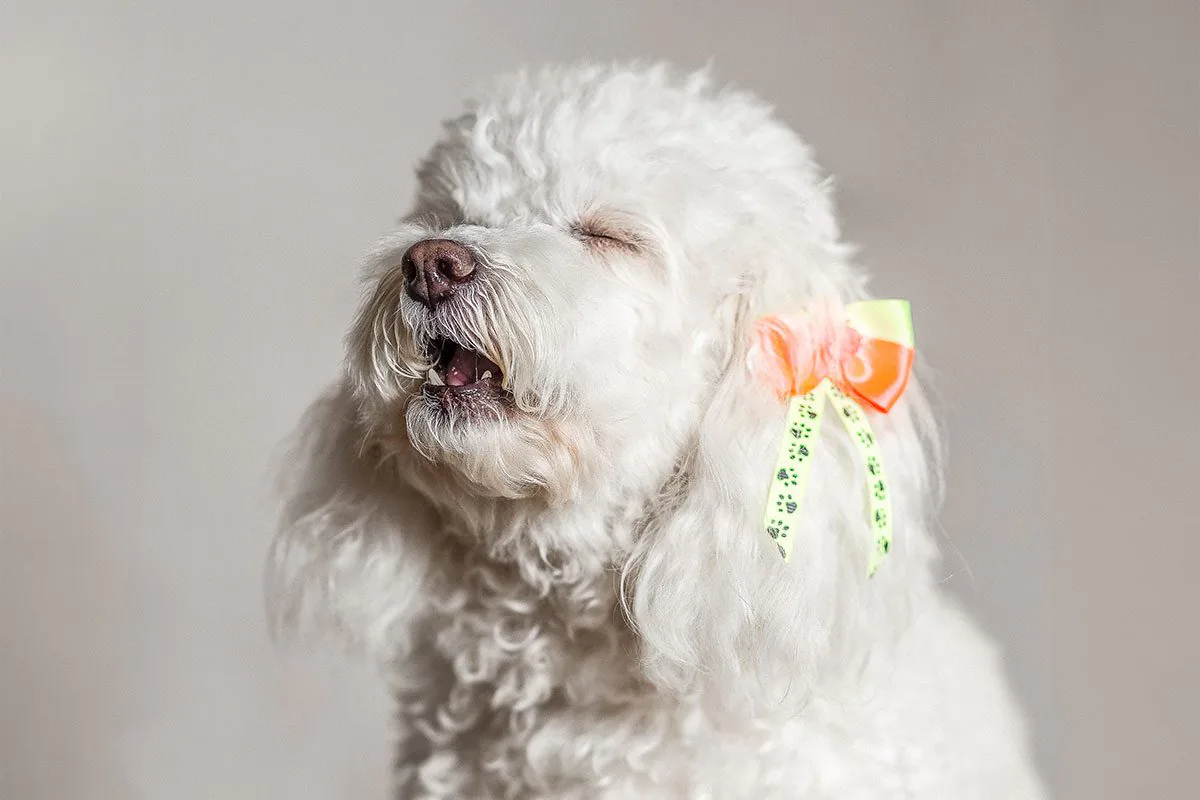
Reverse sneezing in dogs describes a sudden, noisy breathing episode where a dog rapidly pulls air inward through the nose, often standing still with the neck extended and elbows out. Many pet owners worry when they first see a reverse sneeze, but most episodes stem from temporary irritation of the throat or nasal passages rather than a life‑threatening emergency. Dogs remain conscious and responsive during a reverse sneezing event, which helps distinguish it from choking or a seizure.
What Is Reverse Sneezing in Dogs?
Veterinarians use the term “reverse sneezing” to describe paroxysmal respiration, a reflex that clears irritants from the upper airway. Instead of forcefully pushing air out like a typical sneeze, a reverse sneeze pulls air inward in short, repeated bursts. The soft palate and throat briefly narrow, which creates the loud snorting sound owners notice. Reverse sneezing in dogs can look dramatic, yet most episodes last under a minute and resolve on their own without lasting effects.
Why Do Dogs Reverse Sneeze?
Several triggers can irritate the nasal passages or throat and set off reverse sneezing. We look at environmental, anatomical, and medical factors when we evaluate dogs with frequent episodes. Identifying patterns helps us decide whether reverse sneezing reflects simple airway sensitivity or a deeper problem that needs testing.
Common Triggers for Reverse Sneezing
- Environmental irritants such as dust, pollen, smoke, or strong odors
- Sudden excitement, pulling on a leash, or rapid temperature changes
- Mild allergies that inflame the upper airway lining
- Postnasal drip from nasal discharge or sinus irritation
Brachycephalic breeds with shorter noses, such as Pugs and Bulldogs, experience reverse sneezing more often because their airway anatomy narrows airflow. Small dogs also show episodes more frequently, although any breed can develop a reverse sneeze reflex.
What Does Reverse Sneezing in Dogs Sound Like?
Many owners describe reverse sneezing as a loud snort, honk, or gasp. The dog stands still, extends its head and neck, and produces repeated inward snorting sounds for several seconds. Some dogs widen their eyes or appear startled, which adds to the alarm for families watching. Unlike coughing, reverse sneezing originates in the nose and throat rather than deep in the chest, and dogs breathe normally again once the episode ends.
These sound patterns help veterinarians distinguish reverse sneezing from other conditions that cause noisy breathing. Your veterinarian may ask you to record an episode when possible, since video allows them to assess posture, duration, and breathing effort accurately.
How to Stop Reverse Sneezing in Dogs
Most reverse sneezing episodes stop without intervention. Veterinary teams focus on reducing triggers and supporting airway health rather than treating every single event. During an evaluation, your team will review the dog’s environment, exposure to allergens, and any recent changes in routine that might contribute.
Veterinary-Guided Management Strategies
- Adjusting leash use to reduce throat pressure
- Identifying and limiting exposure to environmental irritants
- Managing underlying allergies through a structured care plan
- Monitoring episode frequency and duration over time
Plans are tailored to the individual dog. Your vet team’s goal involves minimizing irritation that sets off reverse sneezing while making sure no underlying respiratory or nasal disease goes unrecognized.
When to Go to The Vet for Reverse Sneezing
Occasional reverse sneezing in dogs often remains harmless, yet certain patterns signal the need for medical evaluation. Families should contact a veterinarian if episodes increase in frequency or intensity. Changes in breathing patterns can indicate infection, foreign material in the nose, or structural airway disease.
Seek veterinary care promptly if you notice:
- Nasal discharge that appears thick, bloody, or foul-smelling
- Lethargy, reduced appetite, or fever
- Persistent coughing or breathing difficulty between episodes
- Episodes that last longer than a minute or occur repeatedly in clusters
These signs suggest that reverse sneezing may represent a symptom of a broader condition rather than an isolated reflex.
How Do Vets Diagnose Reverse Sneezing?
Diagnosis begins with a thorough physical exam and a detailed history. Your veterinary team assesses nasal airflow, listens to the lungs, and evaluates the throat and soft palate. Many dogs with simple reverse sneezing show normal findings between episodes, which helps confirm a benign cause. If signs point to deeper issues, targeted diagnostics may be recommended.
Possible diagnostic steps include imaging of the nasal passages, examination of the airway under sedation, and laboratory testing to check for infection or inflammation. Each test aims to rule out serious disease and clarify whether reverse sneezing connects to allergies, anatomical changes, or other airway disorders.
Dog Reverse Sneeze Treatment
Treatment depends on the underlying cause rather than the reverse sneeze reflex itself. When allergies trigger reverse sneezing, your vet team may design a long-term plan that reduces airway inflammation and exposure to triggers. In cases involving infection or structural problems, those conditions are addressed directly. Many dogs improve once the primary issue affecting the upper airway is managed.
Veterinarians educate families on what normal episodes look like so they feel confident monitoring at home. Understanding the pattern of reverse sneezing helps prevent unnecessary panic while ensuring that true warning signs receive prompt attention.
Talk With Our Team About Your Dog’s Breathing Episodes
Reverse sneezing can look alarming, yet most cases reflect a temporary airway reflex. If your dog shows frequent episodes, new symptoms, or any breathing change that concerns you, our veterinary team at Providence Veterinary Hospital & Clinic in Alameda, CA, can help determine the cause and next steps. Call one of our locations or book an appointment online so we can evaluate your dog and keep their respiratory health on track.
Recent Posts
6 Tips for How to Stop a Cat from Spraying
6 Tips for How to Stop a Cat from Spraying If your cat is spraying, the most…
Why Does My Dog Keep Sneezing?
Why Does My Dog Keep Sneezing? One sneeze, two sneezes, three sneezes…and now you’re Googling. When your…
Is It Normal That My Dog Is Eating Grass?
Is It Normal That My Dog Is Eating Grass? Yes, it’s normal for dogs to eat grass,…
Why Is My Cat Sneezing? 8 Common Causes Explained
Why Is My Cat Sneezing? 8 Common Causes Explained One sneeze is cute. Two sneezes is a…
My Dog Was Stung By a Bee — What Should I Do?
My Dog Was Stung By a Bee — What Should I Do? If your dog was stung…
About Providence Veterinary Hospital & Clinic
Providence Veterinary Hospital & Clinic serve Alameda, CA as well as Oakland, San Leandro, and the surrounding areas with superb veterinary medicine and gentle, compassionate care. We’ve been a part of this community since 1947 when a veterinarian started seeing pets in his home after the end of World War II. He built an animal hospital right under his house, and that’s where we remain to this day (with modern remodeling in 2016, to outfit the hospital with the latest medical technology and equipment, of course!).