
My Dog Was Stung By a Bee — What Should I Do?
If your dog was stung by a bee, stay calm. Most bee stings in dogs are painful but not dangerous. The most important thing you can do right away is monitor your dog closely for signs of an allergic reaction, because that’s where a bee sting can become a medical emergency. At Providence Veterinary Hospital and Clinic in Alameda, CA, we see bee stings in dogs more often than you might think, especially during spring and summer. Below, we’ll discuss exactly what to do if your dog got stung by a bee.
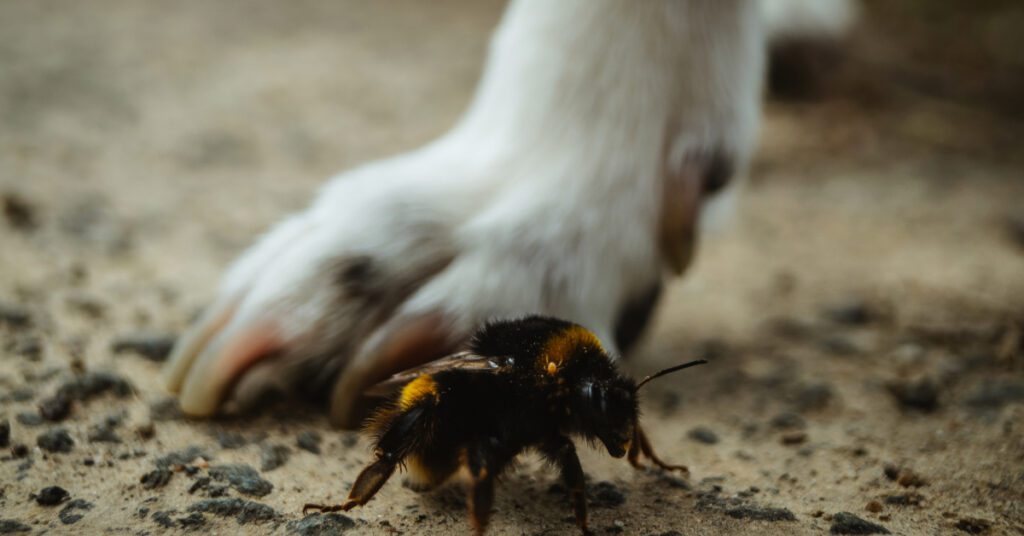
What Happens When a Dog Gets Stung By a Bee?
When a dog is stung by a bee, the bee injects venom into the skin. This venom contains a mix of proteins and compounds, including melittin, that trigger a localized inflammatory response. For most dogs, a single bee sting causes temporary pain, swelling, and discomfort at the sting site. The area may appear red, raised, or warm to the touch.
Dogs are naturally curious and often get stung on the face, nose, or paws, especially if they’ve been sniffing around flowers or chasing an insect. Depending on where your dog was stung, the swelling can look alarming, but facial swelling from a single sting is usually mild and resolves on its own.
Immediate Steps to Take After a Dog Bee Sting
Knowing how to respond quickly when your dog gets stung by a bee can make a real difference. Here’s what to do in the first few minutes:
1. Remove the Stinger (If Visible)
Honeybees leave their stinger behind after stinging, while wasps and other bees do not. If you can see the stinger, remove it quickly. The best method is to scrape it out sideways using a flat-edged object like a credit card or your fingernail. Avoid using tweezers, which can squeeze the venom sac and push more venom into the skin. Work quickly. The longer the stinger stays in, the more venom is released.
2. Watch for Signs of an Allergic Reaction
This is the most critical step. While most dog bee stings result in only local irritation, some dogs have severe allergic reactions (known as anaphylaxis) that require emergency veterinary care. Signs of a serious allergic reaction in dogs include:
- Severe facial swelling, especially around the eyes and muzzle
- Hives or welts appearing on the skin or face
- Vomiting or diarrhea
- Pale or white gums
- Difficulty breathing or rapid breathing
- Weakness or collapse
- Excessive drooling or pawing at the mouth
- Disorientation or sudden lethargy
Anaphylaxis can develop within minutes of a bee sting. If your dog shows any of these symptoms, contact Providence Veterinary Hospital and Clinic or the nearest emergency veterinary hospital immediately.
3. Keep Your Dog Calm and Still
After a bee sting, excitement and movement can increase circulation and spread the venom faster. Keep your dog quiet and still while you assess the situation. Speak calmly, avoid any activities that might stress your dog further, and find a cool, shaded area to observe them.
When to Take Your Dog to the Vet for a Bee Sting
Not every dog bee sting requires a vet visit, but some absolutely do. You should take your dog to your veterinarian right away if:
- Your dog shows any signs of an allergic reaction (listed above)
- Your dog was stung multiple times
- Your dog was stung in or around the mouth, throat, or airway as swelling in these areas can obstruct breathing
- The swelling is severe or rapidly spreading
- Your dog has a known history of bee sting reactions
- Your dog seems unusually distressed, weak, or is not acting like themselves
When in doubt, call us. Our veterinary team at Providence Veterinary Hospital and Clinic is always happy to help you determine whether your dog needs to be seen. It’s always better to be safe when it comes to potential allergic reactions in pets.
How Do Vets Treat Bee Stings in Dogs?
Treatment for a dog stung by a bee depends on the severity of the reaction. For mild local reactions, veterinary treatment may include antihistamines to reduce inflammation and swelling, anti-inflammatory medications for pain and discomfort, and close monitoring at our clinic to ensure symptoms don’t progress.
For dogs experiencing anaphylaxis, emergency treatment is more intensive and may involve epinephrine to counteract the allergic response, IV fluids to support blood pressure and circulation, corticosteroids to reduce systemic inflammation, oxygen therapy if breathing is compromised, and extended in-hospital monitoring.
Dogs who have had a severe reaction to a bee sting in the past are at higher risk for future reactions. Your veterinarian may recommend keeping an epinephrine auto-injector on hand and may discuss an allergy management plan tailored to your dog’s specific needs.
Can a Dog Be Allergic to Bee Stings?
Yes, just like people, dogs can be allergic to bee stings. Dog bee sting allergy is not always predictable. A dog might have a mild reaction the first time they’re stung and a severe reaction the next time, because each exposure can sensitize the immune system further. There’s no reliable way to know in advance whether your dog will have an allergic reaction.
If your dog has ever had hives, significant facial swelling, vomiting, or difficulty breathing after a bee sting, talk to our team at Providence Veterinary Hospital and Clinic about allergy management options. Knowing your dog’s risk and having a plan in place can save their life.
What If My Dog Ate a Bee?
Dogs eat bees more often than you’d expect and the bee can still sting on the way down. If your dog ate a bee and was stung inside the mouth or throat, monitor closely for swelling around the face, excessive drooling, pawing at the mouth, or trouble swallowing. Swelling in the throat is especially dangerous and can become life-threatening very quickly.
Contact your vet right away if your dog was stung in or around the mouth after eating a bee. Don’t wait to see how the symptoms develop. Early intervention is essential when the airway may be involved.
How to Prevent Your Dog from Getting Stung by a Bee
You can’t completely prevent bee stings, but a few simple habits can reduce your dog’s risk:
- Supervise outdoor time closely in areas where bees are active, like gardens and flowering plants
- Discourage your dog from sniffing at bee activity or pawing at insects
- Avoid walking near beehives or areas with known wasp nests
- Check the ground before letting your dog walk or play in grassy areas where ground-nesting bees may be present
- If your yard has a lot of flowering plants that attract bees, check the area before letting your dog out unsupervised
What to Do If You’re Not Sure Your Dog Was Stung
Sometimes pet owners notice sudden swelling, yelping, or pawing at a specific area without actually seeing what happened. If your dog is showing signs consistent with a dog bee sting such as sudden swelling, localized pain, or unusual behavior after being outside, treat it as a possible sting and monitor accordingly.
Still not sure? Give Providence Veterinary Hospital and Clinic a call. Our veterinary team in Alameda is here to help you assess the situation and determine the right next step for your dog’s health and comfort. You know your dog best. If something seems off, trust your instincts and reach out.
Bee Stings in Dogs: Be Ready Before It Happens
A dog bee sting is one of those situations where being prepared matters. Most stings are minor, but the risk of anaphylaxis means you should always take a bee sting seriously, watch your dog carefully in the first 30 minutes, and have your vet’s number easily accessible. If your dog has a history of allergic reactions or you’re concerned about their response to a bee sting, our team at Providence Veterinary Hospital and Clinic in Alameda, CA is ready to help, from routine checkups to emergency care when every minute counts. Call one of our locations or book an appointment online today!
Recent Posts

6 Tips for How to Stop a Cat from Spraying
6 Tips for How to Stop a Cat from Spraying If your cat is spraying, the most…

Why Does My Dog Keep Sneezing?
Why Does My Dog Keep Sneezing? One sneeze, two sneezes, three sneezes…and now you’re Googling. When your…

Is It Normal That My Dog Is Eating Grass?
Is It Normal That My Dog Is Eating Grass? Yes, it’s normal for dogs to eat grass,…

Why Is My Cat Sneezing? 8 Common Causes Explained
Why Is My Cat Sneezing? 8 Common Causes Explained One sneeze is cute. Two sneezes is a…

Can Dogs Eat Fruit?
Can Dogs Eat Fruit? Yes, dogs can eat many types of fruit, but not all fruit is…
About Providence Veterinary Hospital & Clinic
Providence Veterinary Hospital & Clinic serve Alameda, CA as well as Oakland, San Leandro, and the surrounding areas with superb veterinary medicine and gentle, compassionate care. We’ve been a part of this community since 1947 when a veterinarian started seeing pets in his home after the end of World War II. He built an animal hospital right under his house, and that’s where we remain to this day (with modern remodeling in 2016, to outfit the hospital with the latest medical technology and equipment, of course!).