
Why Is My Cat Sneezing? 8 Common Causes Explained
One sneeze is cute. Two sneezes is a coincidence. But when your cat keeps sneezing, it’s usually a sign that something is irritating their nasal passages, and there are at least 8 common culprits worth knowing about. Some are as harmless as a whiff of dust or a new air freshener, while others point to an infection or underlying condition that needs veterinary attention. The tricky part is knowing which one you’re dealing with. In this post, we’re breaking down each cause, what it looks like, and the signs that tell you it’s time to make an appointment at Providence Veterinary Hospital and Clinic. Keep reading. The answer might surprise you.
Is It Normal for Cats to Sneeze?
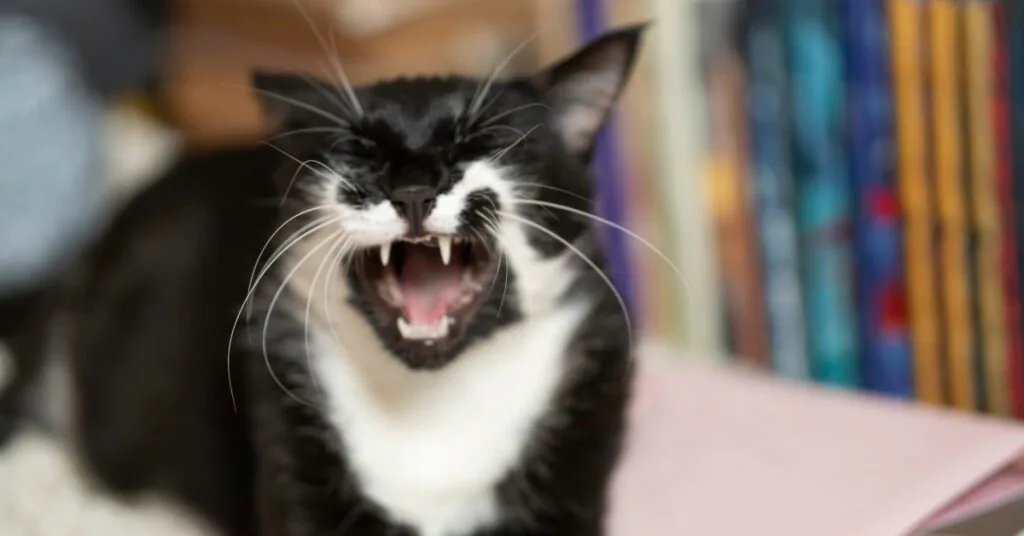
Yes, cats sneeze for many of the same reasons people do. A single sneeze here and there is completely normal and simply means your cat’s body is clearing their nasal passages. But when a cat keeps sneezing, sneezes multiple times in a row, or shows other signs of illness alongside the sneezing, that’s worth investigating.
Why Do Cats Sneeze?
There’s a wide range of reasons a cat might sneeze, from benign environmental triggers to infections that need treatment. Below are the most common causes your veterinarian at Providence Veterinary Hospital and Clinic will consider.
Upper Respiratory Infections
Upper respiratory infections are one of the most common reasons cats sneeze. Often called “cat colds,” these infections are usually caused by viruses such as feline herpesvirus (FHV-1) or feline calicivirus (FCV). Both are highly contagious among cats, especially in multi-cat households or shelter environments. In addition to sneezing, affected cats may have nasal discharge, watery eyes, lethargy, and a reduced appetite. Many cats carry feline herpesvirus for life, while symptoms can go dormant, stress or illness can trigger flare-ups of cat sneezing and other respiratory signs.
Nasal Irritants and Environmental Triggers
Cats have highly sensitive noses, and many common household products can trigger sneezing. These include cigarette smoke, scented candles, air fresheners, cleaning products, perfumes, dust, and even certain types of cat litter. If your cat sneezes after you clean the house, light a candle, or change their litter, an environmental irritant is likely to blame. Removing the trigger usually resolves the cat sneezing quickly.
Allergies
Cats can develop allergies to airborne substances like pollen, mold, dust mites, and household chemicals. Allergic cat sneezing tends to be seasonal or associated with specific environments. Unlike dogs, whose allergies often show up as skin problems, cats with allergies frequently have respiratory symptoms, including sneezing, nasal discharge, and itchy eyes. Identifying and managing feline allergies usually requires a veterinary diagnosis.
Dental Disease
This one surprises many cat owners. The roots of a cat’s upper teeth sit very close to the nasal passages, and dental infections or tooth root abscesses can spread into those passages and cause sneezing. If your cat is sneezing and also shows signs of mouth pain, bad breath, drooling, or difficulty eating, dental disease may be contributing. A veterinary dental exam can identify whether oral health is behind the sneezing.
Foreign Objects in the Nasal Passage
Cats who spend time outdoors or who have access to grasses and plants can occasionally inhale a small foreign object like a blade of grass or a seed. This typically causes sudden, intense sneezing as the cat tries to expel the irritant. If your cat sneezes violently and suddenly, especially after being outside, a nasal foreign body is possible and should be evaluated by a veterinarian. Do not attempt to remove anything from your cat’s nose at home.
Nasal Polyps or Tumors
In some cases, cat sneezing, particularly chronic, one-sided sneezing, can be caused by nasal polyps or, less commonly, nasal tumors. Polyps are benign growths that can obstruct the nasal passage and cause ongoing sneezing, discharge, or noisy breathing. Nasal tumors are more serious and more common in older cats. If your senior cat has been sneezing persistently from one nostril, especially with nosebleeds or facial swelling, a veterinary evaluation is important.
Fungal Infections
Fungal infections of the nasal cavity, such as those caused by Cryptococcus neoformans, are less common but can cause chronic cat sneezing along with nasal discharge, swelling over the nose, and neurological signs in advanced cases. These infections tend to affect cats who spend time outdoors in soil-rich environments. Fungal nasal infections require antifungal medication prescribed by a veterinarian.
Vaccines
If your cat sneezes after a veterinary visit, the intranasal vaccine for feline respiratory viruses may be to blame. This vaccine is administered directly into the nose and can cause mild, temporary sneezing for a day or two. It’s a normal and expected reaction and typically resolves on its own. If sneezing persists for more than a few days after vaccination, contact your vet.
What Does It Mean When a Cat Sneezes a Lot?
Frequent sneezing, especially multiple times a day, several days in a row, is a signal that something beyond a simple irritant may be going on. When a cat keeps sneezing persistently, it’s more likely that an infection, allergy, anatomical issue, or underlying condition is the cause. The specific pattern of sneezing can also offer clues:
- Sneezing from both nostrils with yellow or green discharge: Often points to a bacterial or viral upper respiratory infection
- Sneezing primarily from one nostril: May suggest a foreign body, polyp, or tumor on that side
- Sneezing that worsens seasonally: More consistent with allergies
- Sneezing after a new product is introduced to the home: Likely environmental irritation
- Sneezing with bloody discharge: Warrants prompt veterinary evaluation
When to See a Vet for Cat Sneezing
Occasional sneezing without other symptoms doesn’t necessarily require a vet visit. But there are clear situations where cat sneezing needs professional evaluation. Schedule an appointment at Providence Veterinary Hospital and Clinic if your cat:
- Has been sneezing frequently for more than a few days
- Has nasal discharge that is colored (yellow, green, or bloody)
- Is also showing signs of eye discharge, lethargy, or appetite loss
- Is breathing noisily or with difficulty
- Has facial swelling or seems to be in discomfort
- Is a kitten, a senior cat, or has a compromised immune system
Young kittens and immunocompromised cats are especially vulnerable to upper respiratory infections, which can escalate quickly. Senior cats with new or worsening sneezing should always be evaluated, as the risk of nasal polyps and tumors increases with age.
How Is Cat Sneezing Diagnosed and Treated?
When you bring your cat to Providence Veterinary Hospital and Clinic for sneezing, our veterinary team will take a thorough history, noting when the sneezing started, how often it happens, any associated symptoms, and perform a physical examination. Depending on what they find, further diagnostics may include bloodwork, nasal swabs for culture or PCR testing, dental x-rays, or imaging of the nasal cavity. Treatment will be tailored to the cause. Options may include antiviral or antibiotic therapy for infections, antihistamines or corticosteroids for allergies, dental treatment for tooth root infections, surgical removal for polyps or foreign bodies, or antifungal medication for fungal infections.
Answers for Your Sneezing Cat Start Here
Cat sneezing is common, but that doesn’t mean it should always be ignored. Whether your cat has been sneezing for a day or a month, the team at Providence Veterinary Hospital and Clinic in Alameda, CA is ready to help you get to the bottom of it. From routine wellness exams to diagnostic workups for chronic respiratory issues, we’re here to support your cat’s health at every stage of life. Call one of our locations or book an appointment online today. Your cat will thank you.
Recent Posts
6 Tips for How to Stop a Cat from Spraying
6 Tips for How to Stop a Cat from Spraying If your cat is spraying, the most…

Why Does My Dog Keep Sneezing?
Why Does My Dog Keep Sneezing? One sneeze, two sneezes, three sneezes…and now you’re Googling. When your…

Is It Normal That My Dog Is Eating Grass?
Is It Normal That My Dog Is Eating Grass? Yes, it’s normal for dogs to eat grass,…
My Dog Was Stung By a Bee — What Should I Do?
My Dog Was Stung By a Bee — What Should I Do? If your dog was stung…
Can Dogs Eat Fruit?
Can Dogs Eat Fruit? Yes, dogs can eat many types of fruit, but not all fruit is…
About Providence Veterinary Hospital & Clinic
Providence Veterinary Hospital & Clinic serve Alameda, CA as well as Oakland, San Leandro, and the surrounding areas with superb veterinary medicine and gentle, compassionate care. We’ve been a part of this community since 1947 when a veterinarian started seeing pets in his home after the end of World War II. He built an animal hospital right under his house, and that’s where we remain to this day (with modern remodeling in 2016, to outfit the hospital with the latest medical technology and equipment, of course!).