
Can Dogs Safely Eat Turkey?
A plate of turkey often brings people together, and it is common for a dog to sit nearby, hopeful and curious. Many pet owners ask, “Can dogs eat turkey?”, especially during holidays or family dinners. The short answer is yes, dogs can eat turkey in certain forms, but the details matter. Turkey can provide lean protein and valuable nutrients, yet some preparations create real risks. Understanding how turkey fits into a dog’s diet helps pet owners make confident, informed decisions. This guide explains when turkey works well for dogs, what to avoid, and when it is time to check in with your veterinarian.
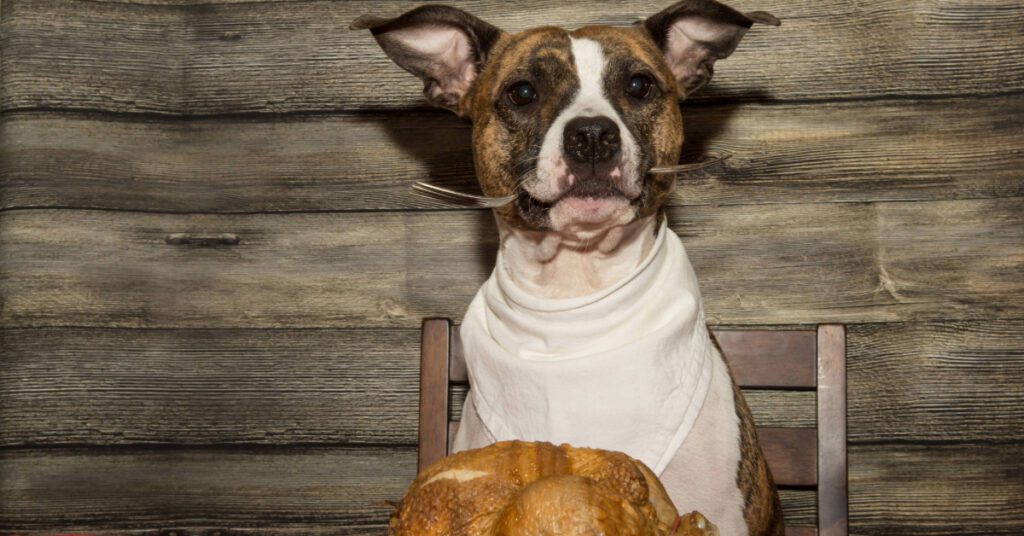
Can Dogs Eat Turkey?
When pet owners search “”Can dogs eat turkey?”, they usually want to know if turkey is healthy or harmful. Plain, cooked turkey meat can be a good source of protein for many dogs when served appropriately. Turkey contains amino acids that support muscle maintenance, along with nutrients such as zinc, selenium, and B vitamins that contribute to normal body function. These nutrients help maintain energy levels, immune health, and tissue repair. In controlled portions, turkey can fit into a balanced canine diet. Problems arise when turkey is prepared for people rather than for pets
Seasonings, butter, oils, and sauces often accompany turkey dishes, and these ingredients can upset a dog’s digestive system. Foods high in fat may lead to vomiting, diarrhea, or more serious gastrointestinal issues. Some seasonings, including garlic and onion, may be unsafe for dogs. Rich gravies and heavily seasoned skin can also be difficult for dogs to digest. Pet owners should view turkey as an occasional addition rather than a primary food unless it is part of a veterinary-approved diet.
Another factor involves portion size. Dogs have different caloric needs based on size, age, and activity level. Even healthy foods can contribute to weight gain if given in excess. Obesity increases the risk of joint strain, diabetes, and heart disease. When considering whether dogs can eat turkey, it helps to remember that moderation and preparation style make the difference between a safe treat and a dietary issue.
How to Safely Feed Your Dog Turkey
Once pet owners know that plain turkey may be suitable, the next question becomes how to serve it responsibly. Safe feeding starts with choosing the right type of meat. Skinless, boneless, unseasoned turkey that has been thoroughly cooked offers the lowest risk. Roasted, baked, or boiled turkey without added salt, spices, or oils works best. This simple approach reduces the chance of stomach upset and other complications.
Choose Plain, Lean Meat
Lean white meat without skin contains less fat than dark meat with skin attached. Lower fat levels help protect a dog’s digestive tract from irritation. Removing visible fat before serving also supports healthy weight management. Turkey should never replace a complete and balanced dog food unless directed by a veterinarian. Instead, it can serve as an occasional topper or treat in small amounts.
Watch Portion Sizes
Portion control plays an important role in safe feeding. A few small bites may be appropriate for a large dog, while a tiny taste suits a small breed. Treats, including turkey, should make up only a small percentage of daily calorie intake. Overfeeding can lead to weight gain and digestive upset. Pet owners who wonder how much turkey is safe should consider their dog’s size, overall diet, and activity level.
Avoid Seasonings and Add-Ons
Human-style turkey often includes ingredients that do not suit dogs. Garlic, onions, heavy salt, and rich sauces may cause stomach distress or other health concerns. Even small amounts of these ingredients can affect sensitive dogs. Butter and oil add excess fat, which may contribute to pancreatitis in some pets. Plain preparation keeps turkey safer and easier to digest.
Monitor for Digestive Changes
Any new food, including turkey, may affect a dog’s stomach. Pet owners should watch for vomiting, diarrhea, or changes in appetite after offering turkey. These signs suggest the dog may not tolerate the food well. Some dogs have sensitive digestive systems or food allergies that limit their ability to handle new proteins. If concerns arise, contacting a veterinary team provides guidance tailored to the individual pet.
Can Dogs Eat Turkey Bones?
The question “Can dogs eat turkey bones?” often comes up alongside “Can dogs eat turkey?” Turkey bones pose a significant risk and should not be given to dogs. Cooked bones become brittle and can splinter easily. Sharp fragments may injure the mouth, throat, or digestive tract. These injuries can be painful and may require veterinary attention.
Turkey bones also present a choking hazard. Dogs may try to swallow pieces that are too large, leading to airway obstruction. Even if a dog manages to swallow bone fragments, they can cause blockages in the stomach or intestines. Gastrointestinal blockages can lead to serious illness and often need medical intervention. Because of these risks, bones should stay out of a dog’s bowl.
Raw bones may seem safer to some pet owners, but they still carry potential dangers. Bacteria such as Salmonella can contaminate raw poultry. Handling raw bones increases the risk of spreading bacteria to people and surfaces in the home. Dogs can still break teeth or experience digestive issues from raw bones. For these reasons, it is safest to avoid turkey bones altogether.
When Turkey Is Not a Good Choice
While many dogs can tolerate small amounts of plain turkey, some pets should avoid it. Dogs with certain medical conditions may require special diets. For example, pets with a history of pancreatitis often need low-fat foods, and even small amounts of richer meats may cause problems. Dogs with known food allergies or sensitivities may react to turkey protein. In these cases, veterinarians often recommend specific diets designed for the pet’s needs.
Overweight dogs may also need strict calorie control. Adding table foods can make weight management more challenging. Senior dogs or those with chronic digestive issues may have less tolerance for dietary changes. In these situations, pet owners should discuss any new food, including turkey, with a veterinary professional. Each dog has unique nutritional requirements that influence what is appropriate.
Behavior also matters. Some dogs develop begging habits when they receive table scraps. This behavior can lead to overfeeding and unbalanced diets. Establishing clear feeding routines supports long-term health. Treats should complement, not replace, a complete and balanced canine diet.
Questions Pet Owners Often Ask About Dogs and Turkey
Pet owners frequently search natural language questions about feeding turkey. Common questions include “Can dogs eat turkey skin?”, “Is turkey safe for puppies?”, and “What happens if my dog eats seasoned turkey?” Turkey skin contains higher fat levels, which may upset a dog’s stomach and contribute to weight gain. Puppies have sensitive digestive systems and specific nutritional needs, so any extras should be discussed with a veterinarian. Seasoned turkey increases the risk of gastrointestinal distress due to added ingredients.
Another question involves deli turkey. Processed meats often contain high levels of sodium and preservatives. These products do not suit regular feeding for dogs. Plain, freshly cooked turkey remains the better option when used sparingly. Pet owners should always consider the overall diet before adding new foods.
Your Dog’s Diet and Professional Guidance
Food questions often connect to broader nutrition concerns. A balanced diet supports energy, coat quality, digestion, and long-term health. Veterinary teams help evaluate body condition, dietary needs, and lifestyle factors. Regular checkups allow professionals to identify issues early and adjust recommendations as a pet ages. Conversations about treats, including turkey, fit naturally into these visits.
For families in Alameda, the team at Providence Veterinary Hospital and Clinic can help answer nutrition questions and assess individual dietary needs. Each dog’s health history, weight, and activity level influence what foods work best. Personalized guidance helps pet owners make decisions with confidence. If you have questions about your dog’s diet or overall health, call one of our locations or book an appointment online today.
Recent Posts

6 Tips for How to Stop a Cat from Spraying
6 Tips for How to Stop a Cat from Spraying If your cat is spraying, the most…
Why Does My Dog Keep Sneezing?
Why Does My Dog Keep Sneezing? One sneeze, two sneezes, three sneezes…and now you’re Googling. When your…
Is It Normal That My Dog Is Eating Grass?
Is It Normal That My Dog Is Eating Grass? Yes, it’s normal for dogs to eat grass,…

Why Is My Cat Sneezing? 8 Common Causes Explained
Why Is My Cat Sneezing? 8 Common Causes Explained One sneeze is cute. Two sneezes is a…
My Dog Was Stung By a Bee — What Should I Do?
My Dog Was Stung By a Bee — What Should I Do? If your dog was stung…
About Providence Veterinary Hospital & Clinic
Providence Veterinary Hospital & Clinic serve Alameda, CA as well as Oakland, San Leandro, and the surrounding areas with superb veterinary medicine and gentle, compassionate care. We’ve been a part of this community since 1947 when a veterinarian started seeing pets in his home after the end of World War II. He built an animal hospital right under his house, and that’s where we remain to this day (with modern remodeling in 2016, to outfit the hospital with the latest medical technology and equipment, of course!).