
Is Your Dog’s Bad Breath Normal? When to Worry and What to Do
Bad breath in dogs often starts as a mild annoyance, but it can signal more than a need for fresher kisses. Many pet owners assume unpleasant dog breath is typical, yet persistent odor frequently points to dental disease or other health concerns that deserve attention. A brief whiff after a meal differs from ongoing foul breath that lingers day after day. This blog will help you understand the difference, so you’ll know when to take action. In many cases, bad breath in dogs serves as one of the earliest visible signs of a deeper issue. Learning what causes it and when to involve your veterinarian can protect your dog’s comfort and overall health.
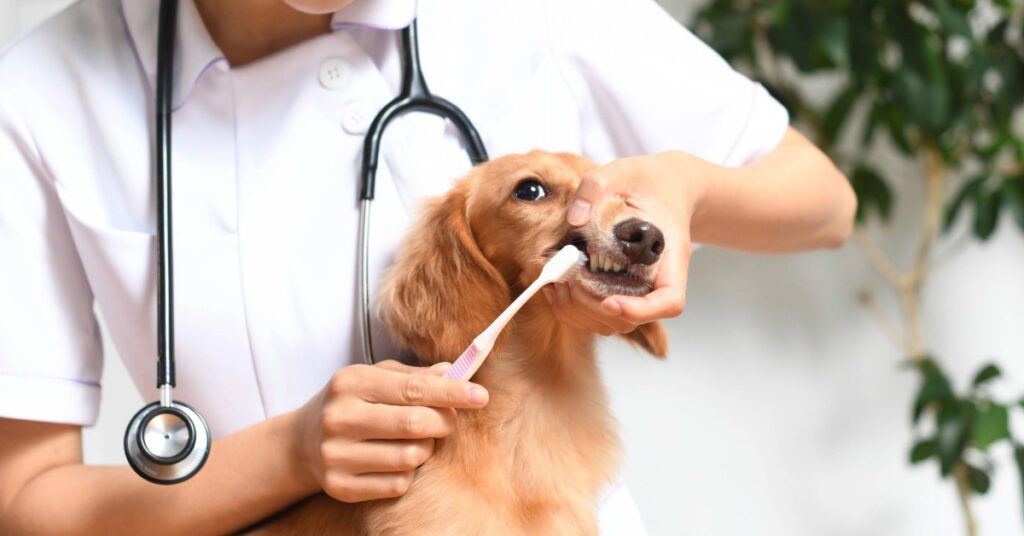
Why Does My Dog Have Bad Breath?
Bad breath in dogs most commonly develops from dental disease, which affects a large percentage of adult dogs. Food particles combine with bacteria inside the mouth and form plaque along the gumline. If plaque remains, it hardens into tartar that traps more bacteria and irritates the gums. Over time, this leads to gingivitis, infection, and periodontal disease. These conditions create a strong odor and can cause pain that dogs often hide. Without professional care, bacteria may enter the bloodstream and affect organs such as the heart, liver, and kidneys.
Dental disease is not the only reason for foul breath. Digestive upset, oral injuries, growths, or foreign material stuck between teeth can also contribute. Puppies sometimes develop temporary bad breath during teething, yet that should improve as adult teeth settle in. Sudden, severe odor may point to a broken tooth or infection below the gumline. Because many causes look similar at home, a veterinary exam provides clarity. Early evaluation helps address the source before it becomes more serious.
Dental Disease and Periodontal Problems
Periodontal disease progresses in stages and often develops quietly. Early signs include red gums, mild odor, and plaque buildup. As it advances, gums pull away from teeth and create pockets where bacteria thrive. Teeth may loosen, and infection can spread into surrounding bone. Dogs may still eat normally, which can make the issue easy to miss. Regular veterinary dental exams help catch these changes before permanent damage occurs.
Medical Conditions Linked to Bad Breath
Certain health issues outside the mouth can also cause bad breath in dogs. Sweet or fruity breath sometimes appears with diabetes. Ammonia-like breath may relate to kidney concerns. Gastrointestinal disorders can produce sour or unusual odors as well. These signs often come with other changes, such as appetite shifts, weight loss, or altered thirst. Your veterinarian can determine whether oral odor reflects a broader medical issue.
How to Get Rid of Your Dog’s Bad Breath
Addressing bad breath in dogs starts with identifying the source rather than masking the smell. Professional dog teeth cleanings at Providence Veterinary Hospital & Clinic remove plaque and tartar above and below the gumline. This process allows our veterinarians to examine each tooth, take dental radiographs when needed, and treat hidden disease. Cleanings under veterinary supervision also reduce bacteria that contribute to odor and inflammation. For many dogs, this care leads to noticeable improvement in breath within days. Follow-up exams help maintain oral health over time.
Daily oral care plays a supportive role between veterinary visits. Veterinary teams may recommend products designed for canine dental health. These items help reduce plaque accumulation and freshen breath as part of a broader care plan. Still, they do not replace professional evaluation or treatment. If breath odor returns quickly, it often signals that disease remains under the gumline. Consistent monitoring ensures ongoing protection for your dog’s mouth.
Why Professional Dental Care Matters
Professional dental care allows for thorough cleaning where home tools cannot reach. Bacteria hide below the gumline, and only specialized equipment can remove that buildup safely. Veterinarians also assess for fractures, resorptive lesions, and other issues that are not visible on the surface. Treating disease early reduces discomfort and may prevent extractions later. This proactive approach supports better long-term oral and systemic health.
What to Expect During a Veterinary Dental Visit
A veterinary dental visit at Providence Veterinary Hospital & Clinic includes a full oral exam and cleaning performed with monitoring equipment for safety. Our veterinary team reviews findings and discusses any treatment needed. Dental radiographs may reveal problems hidden below the gums. If issues arise, your veterinarian outlines next steps clearly. This structured approach ensures your dog receives appropriate, individualized care.
When to Call Your Vet
Persistent bad breath in dogs deserves attention, especially when paired with other changes. Signs such as drooling, pawing at the mouth, dropping food, or bleeding gums indicate discomfort. Swelling along the jaw or under the eyes may suggest infection. Sudden refusal to chew hard food can signal dental pain. Even subtle behavior shifts can relate to oral disease. Prompt evaluation prevents complications and helps relieve pain sooner.
Changes in breath odor quality also matter. Metallic or foul smells often reflect infection. Sweet, fruity breath may relate to metabolic concerns. Breath that smells like urine can point to kidney issues. These differences help veterinarians narrow down potential causes. Waiting too long may allow problems to progress.
How Often Should Dogs Have Dental Exams?
Most dogs benefit from at least annual dental evaluations, though some need more frequent visits. Breed, age, and medical history influence recommendations. Small breeds often develop dental disease earlier. Your veterinarian sets a schedule based on individual needs. Routine checks catch concerns before they worsen.
A Healthier Mouth Starts with a Veterinary Visit
Bad breath in dogs often signals more than a cosmetic issue. Addressing it early supports comfort, appetite, and overall wellness. Regular dental evaluations help identify disease before it becomes advanced. Veterinary teams provide safe, effective care tailored to your dog’s needs. If you notice persistent odor or changes in your dog’s mouth, schedule an exam. Contact Providence Veterinary Hospital and Clinic in Alameda, CA to speak with a team member, call one of our locations, or book an appointment online today.
Recent Posts

6 Tips for How to Stop a Cat from Spraying
6 Tips for How to Stop a Cat from Spraying If your cat is spraying, the most…

Why Does My Dog Keep Sneezing?
Why Does My Dog Keep Sneezing? One sneeze, two sneezes, three sneezes…and now you’re Googling. When your…

Is It Normal That My Dog Is Eating Grass?
Is It Normal That My Dog Is Eating Grass? Yes, it’s normal for dogs to eat grass,…

Why Is My Cat Sneezing? 8 Common Causes Explained
Why Is My Cat Sneezing? 8 Common Causes Explained One sneeze is cute. Two sneezes is a…
My Dog Was Stung By a Bee — What Should I Do?
My Dog Was Stung By a Bee — What Should I Do? If your dog was stung…
About Providence Veterinary Hospital & Clinic
Providence Veterinary Hospital & Clinic serve Alameda, CA as well as Oakland, San Leandro, and the surrounding areas with superb veterinary medicine and gentle, compassionate care. We’ve been a part of this community since 1947 when a veterinarian started seeing pets in his home after the end of World War II. He built an animal hospital right under his house, and that’s where we remain to this day (with modern remodeling in 2016, to outfit the hospital with the latest medical technology and equipment, of course!).